

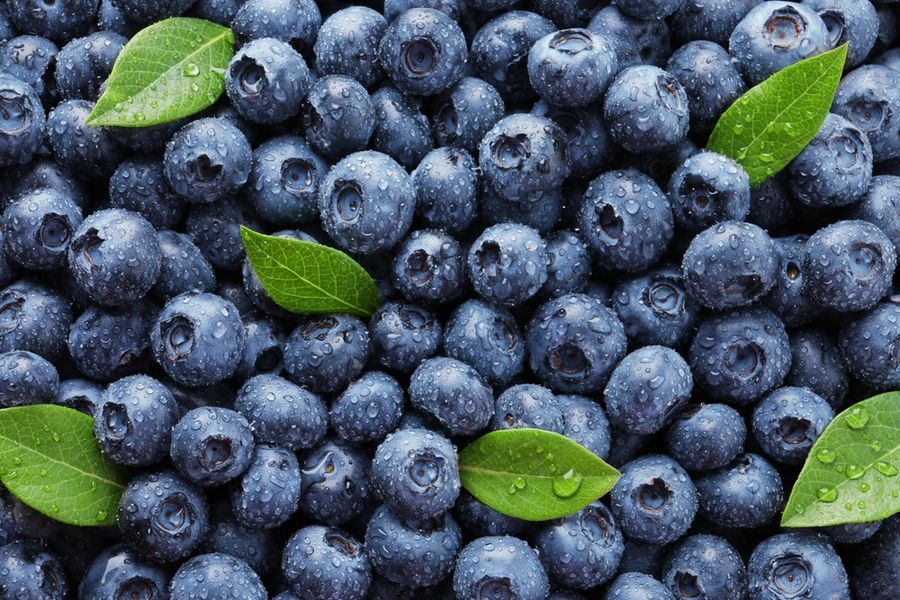
Bright, naturally sweet, and packed with nutrients, blueberries have earned a reputation as one of nature's healthiest fruits. And it's easy to see why. Every handful delivers vitamins, fiber, and powerful plant compounds that support overall wellness while adding delicious flavor to breakfasts, snacks, and desserts. Regularly enjoying blueberries as part of a balanced diet may contribute to heart health, healthy aging, brain function, and more, making every serving a simple way to boost everyday nutrition.
Blueberry Nutrition Facts
A 100-gram (about 3.5-ounce) serving of fresh blueberries provides a surprising amount of nutrition while remaining naturally low in calories. Here's the nutrition profile at a glance:
- Calories: 57
- Water: 84%
- Protein: 0.7 g
- Carbohydrates: 14.5 g
- Natural Sugars: 10 g
- Dietary Fiber: 2.4 g
- Fat: 0.3 g
- Glycemic Index (GI): Approximately 53 (considered a low GI food)
Blueberries are also an excellent source of beneficial plant compounds called anthocyanins, which are the antioxidants responsible for their deep blue color. Along with vitamin C, vitamin K, and manganese, those nutrients make blueberries one of the most nutrient-dense fruits you can include in a healthy eating pattern.
Rich in Antioxidants That Help Protect Your Cells
Blueberries are widely recognized as one of the richest natural sources of antioxidants. Their deep blue color comes from plant compounds called anthocyanins, which help protect cells from damage caused by free radicals. Over time, oxidative stress from free radicals has been linked to aging and the development of many chronic diseases.
Including antioxidant-rich foods like blueberries as part of a balanced diet may help support your body's natural defense systems. While no single food can prevent disease, regularly eating foods high in antioxidants may contribute to long-term health by helping reduce cellular damage. Blueberries make it easy to enjoy those protective compounds in a naturally sweet, low-calorie package.
May Support Heart Health
Heart disease remains one of the leading health concerns worldwide, making heart-friendly food choices especially important. Blueberries contain fiber, potassium, vitamin C, and anthocyanins, all of which may contribute to cardiovascular health. Research suggests that regularly eating blueberries may help support healthy blood vessel function and circulation.
Some studies have also found that consistent blueberry consumption may help maintain healthy blood pressure levels and improve blood flow. Combined with an overall healthy lifestyle that includes regular exercise and a balanced diet, blueberries can be a delicious addition to habits that support long-term heart health.
Helps Support Brain Function and Memory
The nutrients found in blueberries may also benefit the brain. Researchers have studied anthocyanins for their potential role in protecting brain cells from oxidative stress, which naturally increases with age. Maintaining healthy brain function is important throughout every stage of life, from young adulthood through older age.
Some research suggests that eating blueberries regularly may help support memory, learning, and overall cognitive function. While scientists continue studying the relationship between blueberries and brain health, adding nutrient-rich berries to your diet is an easy way to support overall wellness while enjoying a naturally flavorful snack.
Promotes Healthy Digestion
Blueberries provide dietary fiber along with natural compounds that help support digestive health. Fiber encourages regular bowel movements while helping nourish beneficial bacteria that live in the digestive tract. A healthy gut microbiome plays an important role in digestion, immune function, and overall well-being.
Blueberries also contain prebiotics, which serve as food for healthy gut bacteria. Unlike probiotics, which introduce beneficial bacteria, prebiotics help existing bacteria thrive. Eating blueberries alongside other fiber-rich fruits, vegetables, whole grains, and legumes can help support a healthy digestive system over time.
May Help Support Healthy Blood Sugar
Although blueberries contain natural sugars, they also provide fiber and beneficial plant compounds that may help support healthy blood sugar management. Their relatively low glycemic index means they generally cause a slower rise in blood sugar compared with many processed snacks and desserts.
While blueberries are not a treatment for diabetes, they can be a smart fruit choice when enjoyed as part of a balanced eating plan. Pairing blueberries with protein-rich foods like Greek yogurt or cottage cheese may also help create a satisfying, well-balanced snack.
May Aid Exercise Recovery
Whether you enjoy daily walks or more intense workouts, blueberries may help support recovery afterward. Exercise naturally creates oxidative stress within muscles, and the antioxidants found in blueberries may help reduce some of that temporary damage. Their vitamin C and manganese also contribute to normal energy metabolism and overall recovery.
Some research suggests that regularly eating blueberries may help reduce muscle soreness and support recovery after strenuous exercise, although more studies are needed. Adding blueberries to a post-workout smoothie, yogurt bowl, or oatmeal provides carbohydrates for energy replenishment along with nutrients that support an active lifestyle.
Fresh vs. Frozen Blueberries: Which Is Better?
If you've ever wondered whether frozen blueberries are as healthy as fresh ones, the good news is that both are excellent choices. Fresh blueberries are delicious when they're in season, offering a firm texture and naturally sweet flavor that makes them perfect for snacking, fruit salads, or topping yogurt and oatmeal. They're easy to enjoy right out of the container after a quick rinse and are a great option when fresh berries are readily available.
Frozen blueberries are picked at peak ripeness and flash-frozen shortly after harvest, which helps preserve many of their vitamins, antioxidants, and other beneficial nutrients. They often cost less than fresh berries, last much longer in the freezer, and work especially well in smoothies, baked goods, oatmeal, and sauces. Whether you choose fresh or frozen often comes down to convenience, budget, and how you plan to use them. Either option provides valuable nutrition, making blueberries an easy fruit to enjoy throughout the year.
Easy Ways to Add More Blueberries to Your Diet
Fresh blueberries are delicious on their own, but there are plenty of other simple ways to enjoy them throughout the day. Their naturally sweet flavor pairs well with both breakfast and snacks, and they work equally well fresh or frozen. In fact, frozen blueberries are picked at peak ripeness and quickly frozen, helping preserve much of their nutritional value while making them available year-round.
Here are a few easy ideas to enjoy more blueberries:
- Stir fresh or frozen blueberries into oatmeal or overnight oats.
- Blend them into smoothies with Greek yogurt, spinach, and bananas.
- Sprinkle them over yogurt, cottage cheese, or high-protein cereal.
- Toss a handful into green salads with walnuts, pecans, or feta cheese.
- Fold blueberries into pancake, waffle, or muffin batter.
- Add them to homemade chia pudding or parfaits.
- Freeze them for a refreshing snack on warm days.
- Mix them into fruit salads or serve alongside other berries for a colorful dessert.
A Small Berry With Big Health Benefits
Blueberries may be small, but they deliver an impressive combination of fiber, vitamins, antioxidants, and beneficial plant compounds that support overall health. From promoting heart and brain health to supporting digestion, healthy blood sugar, and exercise recovery, regular blueberry consumption can be an easy way to add more nutrition to your day.
Whether you prefer them fresh, frozen, blended into smoothies, or sprinkled over breakfast, blueberries are one of the simplest fruits to incorporate into a balanced eating pattern. Combined with a variety of other colorful fruits, vegetables, whole grains, and lean proteins, they can help support long-term wellness while adding natural sweetness to everyday meals.