

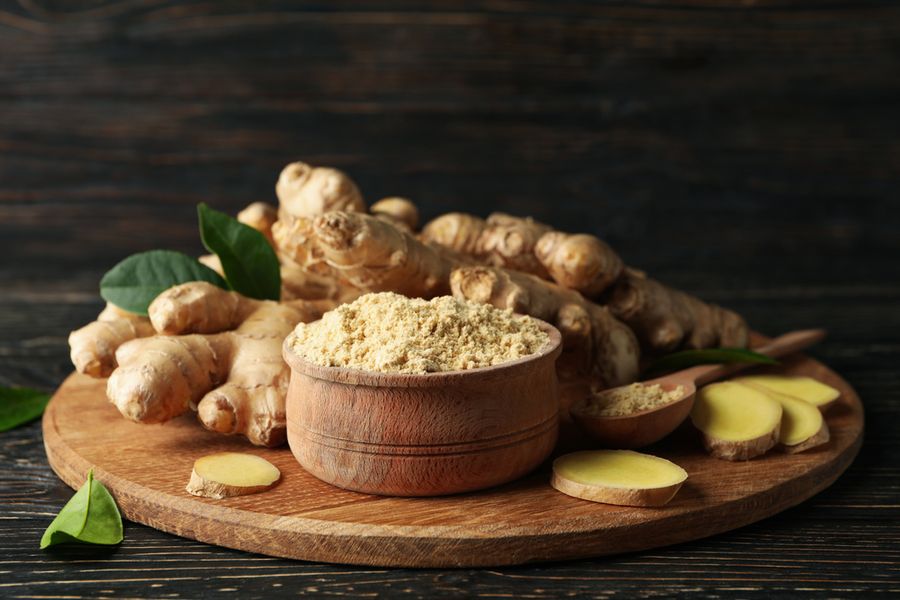
Warm, aromatic, and used in kitchens around the world, ginger has been valued for both its flavor and its potential wellness benefits for thousands of years. Whether enjoyed fresh, dried, powdered, or brewed into tea, ginger contains natural compounds that have been widely studied for their effects on digestion, inflammation, and overall health. Regularly including ginger as part of a balanced diet may support several aspects of well-being while adding bold flavor to both sweet and savory dishes.
What Is Ginger?
Ginger is the underground stem, or rhizome, of the Zingiber officinale plant, a flowering species closely related to turmeric and cardamom. Native to Southeast Asia, ginger has been used for centuries in traditional Chinese medicine, Ayurvedic practices, and cuisines around the world. Today, it's available in several forms, including fresh ginger root, dried ginger powder, ginger paste, pickled ginger, teas, and dietary supplements.
Many of ginger's potential health benefits are linked to gingerol, its primary bioactive compound. Gingerol is known for its antioxidant and anti-inflammatory properties and is the reason ginger has become one of the most widely researched herbs and spices. While fresh and dried ginger differ slightly in flavor and concentration, both can be nutritious additions to a healthy eating pattern.
May Help Relieve Nausea
One of ginger's best-known uses is helping ease nausea. Research suggests ginger may help reduce feelings of nausea related to pregnancy, certain medical treatments, motion sickness, and recovery after surgery. Because of this, ginger is often recommended as a natural option for occasional digestive discomfort, although people who are pregnant should always consult their healthcare provider before using ginger supplements.
Scientists believe ginger works by helping food move more efficiently through the digestive tract while interacting with receptors involved in nausea. Fresh ginger tea, grated ginger, or small amounts of ginger added to meals are common ways people incorporate it into their routine. While ginger isn't a replacement for prescribed treatments, research continues to support its role in managing mild nausea for many individuals.
Supports Healthy Digestion
Ginger has long been associated with digestive health. One reason is its ability to encourage gastric motility, the process that helps move food from the stomach into the small intestine. Efficient digestion may help reduce feelings of fullness, bloating, and occasional indigestion after meals.
In addition to supporting stomach emptying, ginger may stimulate digestive enzymes and digestive juices that assist in breaking down food. Some research also suggests it may provide benefits for people experiencing functional indigestion or certain digestive disorders, although more human studies are needed. Adding small amounts of ginger to meals or enjoying ginger tea after eating is a simple way many people support healthy digestion.
Provides Natural Anti-Inflammatory Compounds
Ginger contains more than 400 naturally occurring compounds, several of which have demonstrated anti-inflammatory activity in laboratory and clinical research. Gingerol, in particular, has been studied for its ability to influence inflammatory pathways within the body.
Chronic inflammation has been linked to many long-term health conditions, making anti-inflammatory foods an important part of a balanced diet. While ginger should not be viewed as a treatment for inflammatory diseases, regularly incorporating it into meals may complement an overall eating pattern rich in fruits, vegetables, whole grains, and other antioxidant-rich foods.
Rich in Antioxidants That Help Protect Cells
Ginger is also an excellent source of antioxidants, compounds that help defend cells against damage caused by free radicals. Oxidative stress occurs naturally over time and has been associated with aging as well as many chronic diseases. Antioxidants help neutralize free radicals and support the body's natural protective processes.
The antioxidant activity found in ginger is largely attributed to gingerol and related plant compounds. Although no single food can prevent disease, eating a variety of antioxidant-rich foods may help support healthy aging and overall wellness. Ginger fits well into that pattern thanks to both its nutritional value and culinary versatility.
May Support Heart Health
Emerging research suggests ginger may offer several benefits related to cardiovascular health. Some studies have found that ginger supplementation may help support healthy cholesterol levels by lowering LDL ("bad") cholesterol and triglycerides while increasing HDL ("good") cholesterol. Other research suggests ginger may also contribute to healthy blood circulation.
While results continue to be studied, many researchers believe ginger's antioxidant and anti-inflammatory properties may play a role in supporting overall cardiovascular function. Ginger should not replace prescribed medications for heart disease or high cholesterol, but it can be a flavorful addition to a heart-healthy diet centered on whole foods.
May Help Support Healthy Blood Sugar
Several studies have explored ginger's potential role in blood sugar management. Research involving people with type 2 diabetes has suggested that ginger supplements may help improve fasting blood sugar and long-term blood sugar markers such as HbA1c. Scientists believe this may be related to ginger's effects on inflammation and insulin sensitivity.
However, most of the available research has focused on concentrated supplements rather than culinary amounts of ginger. More studies are needed before firm conclusions can be made. People managing diabetes should continue following medical advice while viewing ginger as one possible part of an overall healthy eating pattern rather than a standalone solution.
May Help Ease Joint Discomfort
Because ginger contains natural anti-inflammatory compounds, researchers have investigated whether it may help support joint comfort, particularly in people with osteoarthritis. Some studies suggest ginger may help reduce joint pain and stiffness, although results have been mixed and additional research is still needed.
Many people enjoy incorporating ginger into meals or beverages as part of an anti-inflammatory diet. While it should not replace medical treatment for arthritis or other joint conditions, ginger may offer another nutritious way to support overall joint health when combined with regular physical activity and a balanced diet.
May Support Brain Health and Healthy Aging
Researchers continue studying ginger for its potential effects on brain health. Chronic inflammation and oxidative stress are believed to contribute to age-related cognitive decline, and ginger's antioxidant compounds may help protect brain cells from some of that damage. Early laboratory and animal studies have shown promising results, though human research remains limited.
Compounds found in ginger are also being studied for their potential role in supporting memory and protecting against age-related neurological conditions. Although much more research is needed, including ginger among a variety of antioxidant-rich foods may contribute to an eating pattern that supports healthy aging and long-term cognitive wellness.
Easy Ways to Add Ginger to Your Diet
Ginger's bold, slightly spicy flavor makes it easy to incorporate into both sweet and savory recipes. Fresh ginger root offers the brightest flavor, while ground ginger is convenient for baking and everyday cooking. Because ginger pairs well with fruits, vegetables, proteins, and warm beverages, it's simple to enjoy throughout the day.
Here are a few easy ways to eat more ginger:
- Brew fresh ginger tea by steeping sliced ginger in hot water for 10 to 15 minutes.
- Add freshly grated ginger to stir-fries, soups, curries, and noodle dishes.
- Blend fresh ginger into smoothies with fruit and leafy greens.
- Mix grated ginger into homemade salad dressings and marinades.
- Add ground ginger to oatmeal, muffins, pancakes, or granola.
- Stir ginger into roasted vegetables for extra flavor.
- Enjoy pickled ginger alongside sushi or grain bowls.
- Make golden milk or herbal teas using ginger along with turmeric and cinnamon.
- Freeze peeled ginger root and grate it directly into recipes whenever needed.
Fresh ginger keeps well in the refrigerator, while ground ginger has a long shelf life in the pantry, making both convenient ingredients to keep on hand.
Bringing More Ginger Into Your Routine
Ginger has earned its reputation as both a flavorful spice and a widely studied functional food. From supporting digestion and easing nausea to providing antioxidants and natural anti-inflammatory compounds, ginger offers a variety of potential health benefits that fit well within an overall balanced diet. Although research continues in several areas, current evidence suggests ginger can be a valuable addition to everyday meals.
Whether you prefer fresh ginger in stir-fries, brewed into tea, blended into smoothies, or sprinkled into baked goods, there are countless ways to enjoy it. Combined with a variety of fruits, vegetables, whole grains, lean proteins, and other nutrient-rich foods, ginger can help add both flavor and nutrition to your daily routine.