

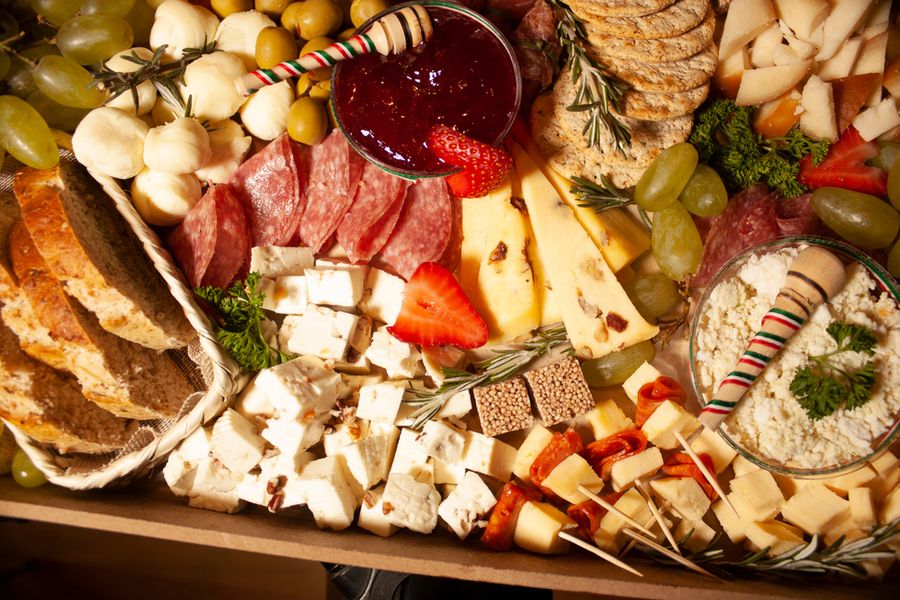
Holiday gatherings often begin around the snack table, making a well-planned cheese board an easy way to welcome guests before the main meal. Seasonal fruits, flavorful spreads, and a thoughtful mix of cheeses can create a display that feels festive without requiring hours in the kitchen. By combining fresh produce with familiar favorites, it is possible to build a board that looks colorful, offers a variety of flavors, and works for gatherings of almost any size.
Build Around a Variety of Cheeses
A balanced cheese board starts with a selection of different textures instead of several cheeses that taste alike. Including one soft cheese, one semi-soft cheese, one firm cheese, and one aged cheese creates more variety for guests. Brie, goat cheese, Gouda, sharp cheddar, Manchego, Gruyère, and blue cheese all offer different flavors and textures that pair well with seasonal ingredients.
Choosing cheeses with different milk types can also make the board more interesting. Cow's milk cheeses often provide familiar flavors, while goat and sheep's milk cheeses introduce tangier or nuttier notes. Offering several options allows guests to mix and match flavors without overwhelming the board.
Add Seasonal Fresh Fruits
Fresh fruit brings color, sweetness, and freshness that balance rich cheeses. During the holiday season, pears, apples, grapes, pomegranate arils, persimmons, fresh figs where available, and citrus slices all make attractive additions. Their bright colors help create a festive presentation while offering natural sweetness between bites.
Arrange fruits throughout the board instead of placing them in one section. Small clusters create visual balance and make it easier for guests to reach different items. Leaving some fruits whole while slicing others also adds texture and keeps the display from looking too uniform.
Include Dried Fruits and Nuts
Dried fruits provide concentrated sweetness that complements many cheeses. Dried apricots, dates, cranberries, cherries, and figs work especially well because they offer chewy texture without taking up much space. They also store well and can be prepared ahead of time.
Nuts add another layer of texture. Almonds, pistachios, pecans, walnuts, and candied nuts provide crunch that contrasts nicely with creamy cheeses. Small bowls or scattered clusters help separate the nuts from softer ingredients while making the board feel full without becoming crowded.
Offer Several Sweet and Savory Spreads
Spreads help guests customize every bite. Fig preserves, cranberry preserves, orange marmalade, honey, hot honey, whole-grain mustard, and pepper jelly each create different flavor combinations when paired with cheeses. Providing both sweet and savory options allows guests to experiment with pairings that match their own tastes.
Small serving bowls or ramekins keep spreads neat and prevent them from running across the board. Placing a separate spoon or spreader with each option also helps reduce mixing and keeps flavors distinct throughout the gathering.
Create Small Pairing Zones
Instead of asking guests to guess which foods work together, arrange the board in small pairing zones. Place apple slices near aged cheddar, pears beside Brie, and grapes close to blue cheese. These combinations offer a mix of sweet, tart, creamy, and bold flavors without requiring complicated preparation.
Add a few matching extras around each cheese and fruit pairing. Honey, fig spread, fruit preserves, and candied pecans can balance the salty flavor of stronger cheeses. Keeping each small group close together gives guests a clear starting point while still allowing them to create their own combinations.
Keep Sliced Fruit Looking Fresh
Apples and pears can darken after they are peeled or sliced. Treating the cut fruit with an ascorbic acid solution can help slow this color change. Commercial anti-browning products made with ascorbic acid can also be used when prepared according to the package directions.
Lemon juice is another option, but it is generally less effective at preventing browning than an ascorbic acid treatment. Prepare the fruit shortly before assembling the board when possible, and keep extra portions chilled until they are needed.
Balance Sweet Items With Tangy and Salty Bites
Honey, jam, preserves, and fresh fruit add sweetness, but they do not need to be the only extras on a holiday cheese board. Olives, pickles, marinated artichoke hearts, whole-grain mustard, and pickled vegetables can bring sharper and more savory flavors to the display.
Spread these items between sweeter sections of the board to create more variety from one bite to the next. A small bowl of mustard can sit near firm cheese, while olives or pickled vegetables can be placed beside crackers and milder cheeses. Chocolate can also be included in small pieces as an optional accent alongside fruit, nuts, breads, and spreads.
Make the Board Easier for More Guests to Enjoy
Packaged foods can contain major allergens such as milk, wheat, peanuts, tree nuts, sesame, soy, eggs, fish, or shellfish. Keep the original packaging for crackers, spreads, chocolate, and other prepared items so guests can check the full ingredient lists. Small labels can also make it easier to identify cheeses, nut-based foods, and gluten-free choices.
Use separate knives, spoons, and serving areas for foods intended for guests with allergies. Allergens can be transferred when the same utensils or surfaces touch both allergen-containing and allergen-free foods. Placing special alternatives on a separate plate can provide more distance from nuts, wheat crackers, dairy products, and other foods that may cause a reaction.
Round Out the Board With Crackers and Bread
Crackers and sliced bread give guests an easy base for building combinations. Offering several textures works well, such as crisp water crackers, seeded crackers, buttery crackers, toasted baguette slices, or thin crisps. Neutral options help showcase stronger cheeses, while heartier crackers pair well with aged varieties.
Spacing crackers around the board instead of stacking them all together encourages guests to serve themselves from multiple areas. Keeping extra crackers nearby also makes it easy to refill the board without disturbing the overall presentation.
Finish With Festive Garnishes
Simple garnishes can make a cheese board feel ready for a holiday celebration. Fresh rosemary sprigs, thyme, whole cranberries, pomegranate arils, cinnamon sticks, or citrus slices can add seasonal color without requiring extra preparation. Edible garnishes should complement the food rather than overpower it.
Leaving a little open space between ingredients helps each item stand out. Mixing different shapes, colors, and heights creates a board that looks abundant while remaining easy to navigate. A few small serving knives and spreaders complete the setup and make serving easier for guests.
Keep the Board Fresh and Safe
Because cheese, fresh fruit, and many spreads are perishable, timing matters. Preparing much of the board in advance is possible, but the most perishable ingredients should stay refrigerated until close to serving time. Chilling ingredients properly before guests arrive helps maintain both quality and food safety.
If the gathering lasts several hours, consider putting out smaller portions and refilling the board as needed instead of leaving everything at room temperature. Perishable foods should generally be refrigerated within two hours, or within one hour if temperatures exceed 90°F.
Create a Holiday Cheese Board Guests Will Remember
A memorable holiday cheese board does not require complicated recipes or expensive ingredients. Combining several cheeses with seasonal fruits, flavorful spreads, crunchy nuts, and a variety of crackers creates a display that is both attractive and easy to enjoy. With a little planning and attention to presentation, a simple assortment of fresh ingredients can become one of the most popular parts of the holiday table.