

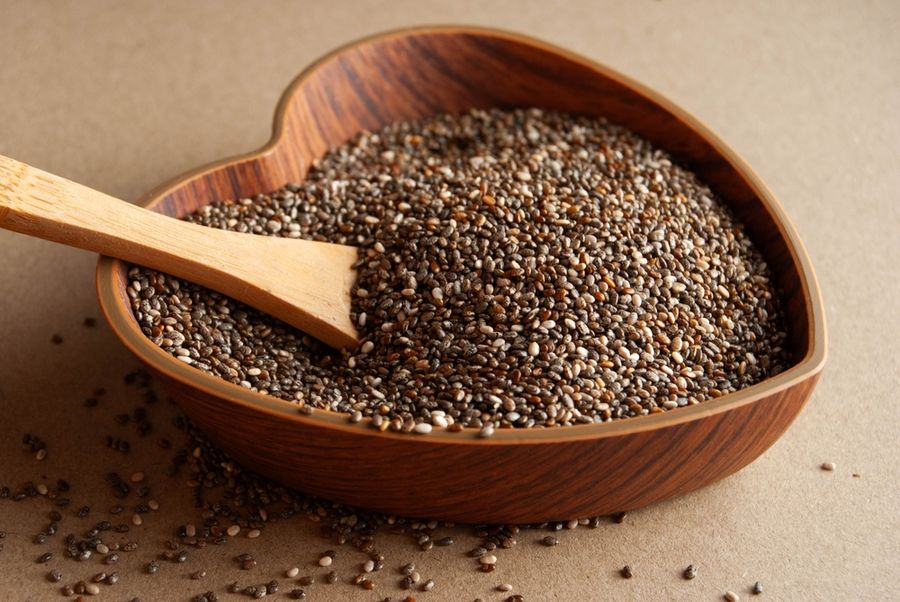
Chia seeds are a small but mighty superfood! Packed with nutrients, chia seeds have become a popular addition to smoothies, oatmeal, baked goods, and everyday meals. While they may look simple, the tiny seeds provide an impressive combination of fiber, plant-based protein, healthy fats, and important minerals. From supporting digestion to helping create more balanced meals, chia seeds are an easy ingredient to incorporate into a healthy lifestyle. Understanding their nutritional benefits can help you make the most of the versatile superfood.
Chia Seed Nutrition Facts
Despite their small size, chia seeds provide a concentrated source of nutrients. A 1-ounce serving (about 28 grams or 2 tablespoons) contains a significant amount of fiber, healthy fats, and plant-based protein. The approximate nutrition breakdown includes:
- Calories: 138
- Protein: 4.7 grams
- Carbohydrates: 11.9 grams
- Sugar: 0 grams
- Fiber: 9.8 grams
- Fat: 8.7 grams
- Saturated fat: 0.9 grams
- Monounsaturated fat: 0.7 grams
- Polyunsaturated fat: 6.7 grams
- Omega-3 fatty acids: 5 grams
- Omega-6 fatty acids: 1.7 grams
What's more, chia seeds are naturally gluten-free and are especially known for their high fiber content and plant-based omega-3 fatty acids. Their ability to absorb liquid and form a gel-like texture also makes them unique, which is why they are commonly used in recipes like chia pudding, overnight oats, and smoothies.
Supports Healthy Digestion
One of the biggest nutritional advantages of chia seeds is their exceptionally high fiber content. Just two tablespoons provide nearly 10 grams of dietary fiber, helping many people make meaningful progress toward their daily fiber goals. Fiber plays an essential role in maintaining regular bowel movements and supporting overall digestive health.
When mixed with liquid, chia seeds absorb many times their weight in water and form a gel-like consistency. Along with adequate fluid intake, that gel can help soften stool and promote comfortable digestion. Fiber also feeds beneficial bacteria in the gut, supporting a healthy gut microbiome that contributes to digestion, immune function, and overall wellness.
Rich in Plant-Based Omega-3 Fatty Acids
Chia seeds are one of the richest plant-based sources of alpha-linolenic acid (ALA), an essential omega-3 fatty acid. Because the body cannot produce ALA on its own, obtaining it through food is important. Omega-3 fats are widely recognized for supporting heart, brain, and overall cellular health.
Although plant-based ALA differs from the omega-3s found in fatty fish, research suggests it still plays an important role in a healthy diet. Including foods rich in ALA may help support normal cardiovascular function while contributing to healthy inflammatory responses. For anyone following a vegetarian or vegan eating pattern, chia seeds provide one of the easiest ways to increase plant-based omega-3 intake.
May Support Heart Health
Several nutrients found in chia seeds work together to support cardiovascular health. Soluble fiber has been associated with maintaining healthy cholesterol levels by helping reduce LDL, often called "bad" cholesterol, while supporting healthy HDL cholesterol levels. Chia seeds also provide antioxidants and omega-3 fatty acids that contribute to overall heart wellness.
Research continues to explore how regular chia seed consumption may influence blood pressure and other heart health markers. While no single food can prevent heart disease, incorporating nutrient-dense foods like chia seeds into a balanced eating pattern may support long-term cardiovascular health when combined with regular physical activity and other healthy habits.
Helps Promote Fullness and Healthy Weight Goals
Chia seeds are often included in weight management plans because of their unique combination of fiber, protein, and healthy fats. Together, those nutrients digest more slowly than refined carbohydrates, helping create longer-lasting feelings of fullness after meals.
Another unique characteristic is the seeds' ability to absorb liquid and expand into a gel-like texture. That expansion may help increase satiety, making meals and snacks feel more satisfying. While chia seeds alone are not a weight-loss solution, adding them to balanced meals can help support healthy eating habits by making it easier to stay satisfied between meals and reducing the temptation to snack unnecessarily.
Provides Plant-Based Protein for Lasting Energy
Although chia seeds are tiny, they contain a surprising amount of plant-based protein. A two-tablespoon serving provides nearly 5 grams of protein along with all nine essential amino acids, making chia seeds one of the more complete plant protein sources available. Protein helps build and repair tissues while supporting muscle maintenance and many other important functions throughout the body.
Combining protein with healthy fats and fiber also makes chia seeds a satisfying addition to meals and snacks. Sprinkling them over yogurt, oatmeal, or smoothies can help create a more balanced meal that provides steady energy throughout the day. While they shouldn't replace larger protein sources, chia seeds are an easy way to boost overall protein intake.
Supports Strong Bones With Essential Minerals
Healthy bones depend on more than just calcium, and chia seeds supply several minerals involved in maintaining bone strength. Along with calcium, they also contain magnesium and phosphorus, nutrients that work together to support healthy bone structure and normal muscle function.
Some research has also explored the potential role of alpha-linolenic acid (ALA), the primary omega-3 fat in chia seeds, in supporting bone health. While more studies are needed, regularly eating foods that provide calcium, magnesium, phosphorus, and healthy fats can contribute to an overall eating pattern that supports strong bones throughout life.
Rich in Antioxidants That Help Protect Cells
Chia seeds naturally contain several antioxidant compounds, including chlorogenic acid, caffeic acid, quercetin, and kaempferol. Antioxidants help neutralize free radicals, unstable molecules that can contribute to oxidative stress and cellular damage over time.
Reducing oxidative stress is important because it is associated with aging and many chronic health conditions. Although no single food can eliminate disease risk, regularly eating antioxidant-rich foods like chia seeds can help support the body's natural defense systems. Their antioxidants also help protect the delicate healthy fats found within the seeds, keeping them naturally stable despite their high omega-3 content.
May Help Support Healthy Blood Sugar Levels
Thanks to their impressive fiber content, chia seeds may help support healthy blood sugar regulation when eaten as part of balanced meals. Fiber slows digestion and the absorption of carbohydrates, helping promote a steadier rise in blood sugar after eating rather than a rapid spike.
Researchers continue to study chia seeds for their potential role in supporting metabolic health. While more human studies are needed, adding fiber-rich foods like chia seeds to meals may be beneficial for people looking to maintain stable energy levels and support healthy blood sugar as part of an overall nutritious diet.
Easy Ways to Add Chia Seeds to Your Diet
One of the biggest advantages of chia seeds is how easy they are to incorporate into everyday meals. Their mild flavor allows them to blend into both sweet and savory dishes without overpowering other ingredients. Whether you're looking to add more fiber, healthy fats, or plant-based protein, a tablespoon or two of chia seeds can be an effortless addition to your daily routine.
Some simple ways to enjoy chia seeds include:
- Stir them into oatmeal or overnight oats.
- Blend them into smoothies for added fiber and thickness.
- Sprinkle them over yogurt, cottage cheese, or cereal.
- Mix them into pancake, waffle, or muffin batter.
- Add them to homemade granola or energy bites.
- Toss them into salads for a subtle crunch.
- Stir them into soups or sauces as a natural thickener.
- Mix them into homemade salad dressings.
- Use them as an egg substitute in baking by combining 1 tablespoon of chia seeds with 2½ tablespoons of water and letting the mixture sit for about 10 minutes until it forms a gel.
One of the most popular ways to enjoy chia seeds is by making chia pudding. It requires only a handful of ingredients, can be prepared in just a few minutes, and stores well in the refrigerator for several days, making it an excellent option for breakfast, snacks, or meal prep.
Basic Chia Seed Pudding Recipe
Ingredients
- 2 tablespoons chia seeds
- 1/2 cup milk of choice (dairy, almond, oat, soy, or coconut)
- 1 teaspoon honey or maple syrup (optional)
- 1/4 teaspoon vanilla extract (optional)
- Fresh fruit, nuts, shredded coconut, cinnamon, or granola for topping (optional)
Instructions
- Add the chia seeds, milk, sweetener, and vanilla extract to a small jar or bowl.
- Stir well until the chia seeds are evenly distributed throughout the liquid.
- Let the mixture sit for about 5 minutes, then stir again to break up any clumps that have formed.
- Cover and refrigerate for at least 2 hours, or preferably overnight, until the mixture thickens into a pudding-like consistency.
- Stir once more before serving, then top with your favorite fruit, berries, sliced bananas, chopped nuts, granola, coconut flakes, or a sprinkle of cinnamon.
Tip: Make several jars at once and store them in the refrigerator for up to 4–5 days for quick grab-and-go breakfasts or snacks throughout the week. You can also customize the flavor by adding cocoa powder, mashed berries, pumpkin puree, or a spoonful of peanut or almond butter before refrigerating.
A Simple Superfood With Lasting Benefits
Chia seeds may be small, but they deliver an impressive combination of fiber, plant-based protein, healthy fats, antioxidants, and essential minerals in every serving. From supporting digestion and heart health to promoting fullness and providing valuable omega-3 fatty acids, they offer a wide range of nutritional benefits that can complement a balanced eating pattern.
Perhaps one of their greatest strengths is their versatility. Whether stirred into oatmeal, blended into smoothies, sprinkled over yogurt, or transformed into a simple chia pudding, adding chia seeds to everyday meals requires very little effort. While no single food can provide every nutrient your body needs, regularly incorporating nutrient-dense foods like chia seeds is an easy step toward building healthier habits that can support long-term wellness.