

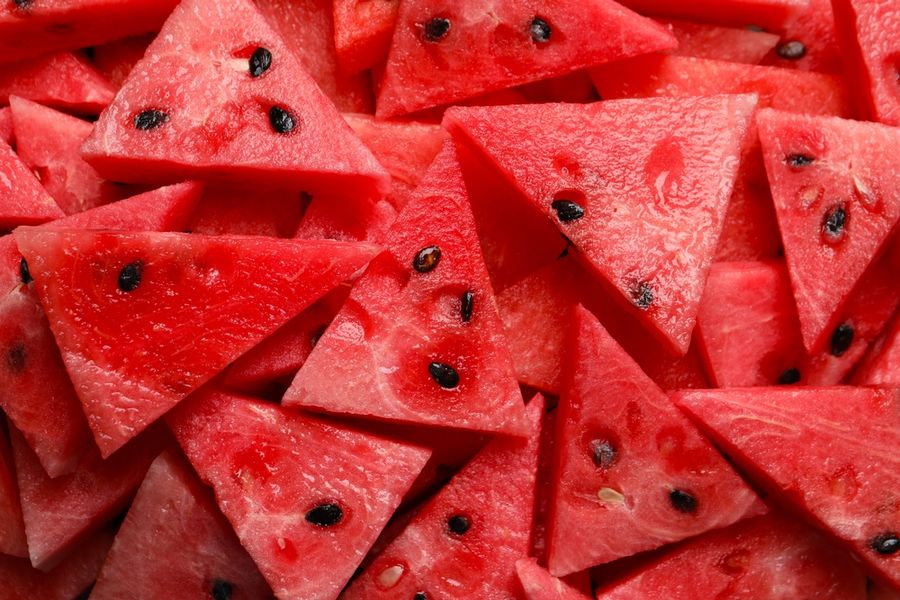
Few fruits capture the feeling of summer quite like watermelon. With its naturally sweet flavor, refreshing texture, and impressive water content, watermelon is often considered a simple seasonal snack, but it offers much more than a refreshing bite. Packed with vitamins, minerals, antioxidants, and plant compounds, this vibrant fruit can support several areas of overall wellness. From hydration and heart health to exercise recovery and skin support, watermelon is a delicious way to boost your nutrient intake throughout the day.
Watermelon Nutrition Facts
Watermelon is a naturally hydrating fruit that provides plenty of water while remaining low in calories. Although it is best known for its refreshing taste, it also contains small amounts of important nutrients and beneficial plant compounds. A 2/3 cup (100-gram) serving of raw watermelon provides approximately:
- Calories: 30
- Water content: About 92%
- Protein: 0.6 grams
- Carbohydrates: 7.6 grams
- Natural sugars: 6.2 grams
- Fiber: 0.4 grams
- Fat: 0.2 grams
Watermelon also provides nutrients like vitamin C, vitamin A, potassium, and magnesium, along with antioxidants such as lycopene and carotenoids. Its combination of high water content, natural sweetness, and low calorie density makes it a refreshing choice that can easily fit into a balanced eating pattern.
Hydration Support for Everyday Wellness
One of watermelon’s most well-known benefits is its ability to support hydration. The fruit is made up of roughly 92% water, making it an easy and enjoyable way to increase fluid intake, especially during hot weather or after physical activity. While drinking enough water is essential, foods with high water content can also contribute to daily hydration needs.
Staying properly hydrated supports many important functions throughout the body, including temperature regulation, nutrient delivery, normal organ function, and mental alertness. Watermelon also provides a refreshing alternative to sugary drinks, offering natural sweetness along with beneficial nutrients. Its high water content and low calorie density make it a satisfying choice for anyone looking for a hydrating snack that feels filling without being heavy.
Packed With Vitamins, Minerals, and Antioxidants
Watermelon may be mostly water, but it also provides a variety of important nutrients. A single serving contains vitamins A and C, potassium, magnesium, and small amounts of other vitamins and minerals that support overall health. Vitamin C helps support immune function and collagen production, while vitamin A plays a role in maintaining healthy skin and vision.
The fruit is also rich in antioxidants, including lycopene, carotenoids, and cucurbitacin E. Antioxidants help protect cells from oxidative stress caused by unstable molecules known as free radicals. Over time, reducing oxidative stress may support healthier aging and lower the risk of certain chronic health concerns. Watermelon’s bright red color comes from lycopene, a powerful antioxidant also found in foods like tomatoes.
May Support Heart Health
Adding watermelon to a balanced diet may help support cardiovascular wellness. One of the key compounds linked to heart health is lycopene, which has been studied for its potential role in helping maintain healthy cholesterol levels and blood pressure. Since heart health is influenced by many lifestyle factors, eating nutrient-rich foods like watermelon can be one piece of an overall healthy routine.
Watermelon also contains citrulline, an amino acid that the body can use to produce nitric oxide. Nitric oxide helps blood vessels relax and expand, which may support healthy circulation and blood pressure levels. Along with nutrients like potassium and magnesium, which are important for normal heart and muscle function, watermelon provides several components that contribute to a heart-friendly eating pattern.
Helps Fight Inflammation and Oxidative Stress
Chronic inflammation and oxidative stress are linked to many long-term health concerns, making foods rich in protective compounds an important part of a balanced diet. Watermelon contains antioxidants like vitamin C and lycopene, which may help reduce oxidative damage and support the body’s natural defenses.
Lycopene is especially notable because of its antioxidant and anti-inflammatory properties. While more research is needed to fully understand watermelon’s effects on inflammation in humans, studies suggest that diets rich in antioxidant-containing fruits and vegetables may help promote healthier inflammatory responses. Including watermelon alongside other colorful produce can provide a variety of plant compounds that support overall wellness.
Supports Healthy Skin and Eye Function
Watermelon contains several nutrients that contribute to healthy skin and vision. Vitamin C plays an important role in producing collagen, a protein that helps keep skin strong, flexible, and supported. Regularly consuming vitamin C-rich foods can help provide the nutrients needed for normal skin maintenance.
Vitamin A and carotenoids found in watermelon also support eye health. These compounds help maintain healthy vision and may play a role in protecting against certain age-related eye concerns. Lycopene, in particular, has been studied for its potential ability to protect eye cells from damage. While watermelon alone cannot replace a complete skincare or eye health routine, it can be a flavorful way to add more beneficial nutrients to your diet.
May Aid Exercise Performance and Recovery
Watermelon can be a refreshing choice before or after exercise thanks to its combination of hydration and nutrients. Its high water content helps replenish fluids, while natural carbohydrates provide a source of quick energy. The fruit also contains citrulline, a compound that has been studied for its potential role in exercise performance and muscle recovery.
Citrulline may support the production of nitric oxide, which helps improve blood flow and circulation. Some research suggests that regular citrulline intake may help reduce muscle soreness after exercise, although more studies are needed. Enjoying watermelon after a workout can be a simple way to restore fluids while providing nutrients that support an active lifestyle.
Supports Digestion and Healthy Weight Goals
Watermelon can be a helpful addition to eating patterns focused on balanced nutrition and weight management. Because the fruit contains a high percentage of water, it provides volume and sweetness while remaining relatively low in calories. Foods with a high water content can help people feel more satisfied, which may make it easier to maintain healthy eating habits.
The fruit also contains a small amount of fiber, which supports digestive health by helping maintain regular bowel movements. Water helps move food through the digestive system, while fiber contributes to overall gut function. Although watermelon should be enjoyed as part of a varied diet, its combination of hydration, nutrients, and natural sweetness makes it a smart option for a refreshing snack.
Potential Protection Against Chronic Health Concerns
Watermelon contains several plant compounds that researchers continue to study for their possible role in reducing the risk of certain chronic conditions. Lycopene, one of the fruit’s most abundant antioxidants, has received attention for its potential connection to reduced risk of some diseases, including certain cancers and cardiovascular concerns.
Research is ongoing, and watermelon should not be viewed as a cure or prevention method on its own. However, diets that regularly include colorful fruits and vegetables provide a wide range of vitamins, minerals, and antioxidants that support overall health. Adding watermelon to meals and snacks is one simple way to increase plant-based nutrients while enjoying a naturally sweet food.
A Refreshing Fruit Worth Adding to Your Routine
Watermelon is proof that healthy foods do not have to be complicated. Its naturally sweet flavor, impressive hydration benefits, and variety of nutrients make it a fruit that can fit into nearly any lifestyle. Whether enjoyed by the slice, blended into a smoothie, added to a salad, or frozen into a summer treat, watermelon offers plenty of ways to support a balanced diet.
From helping maintain hydration to providing antioxidants that support overall wellness, watermelon brings more to the table than its refreshing taste. While no single food can transform health on its own, choosing nutrient-rich options like watermelon can be a simple and enjoyable step toward building healthier daily habits.