

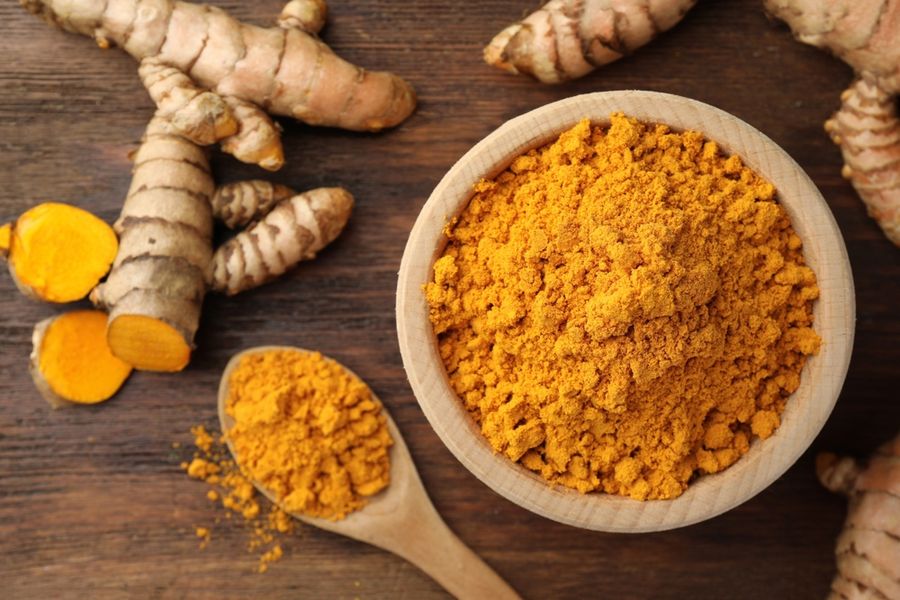
Turmeric has been used for centuries in traditional cooking and herbal practices, and modern research continues to look into why it remains so highly regarded. Best known for its vibrant golden color and naturally occurring compound curcumin, turmeric offers more than just flavor. In fact, adding small amounts to soups, curries, roasted vegetables, teas, or smoothies may help support overall wellness by promoting a healthy inflammatory response and providing beneficial antioxidant compounds as part of a balanced diet.
What Is Turmeric?
Turmeric is a bright golden-yellow spice made from the underground stem, or rhizome, of the Curcuma longa plant, a member of the ginger family. It has been used for many years in Indian, Southeast Asian, and Middle Eastern cooking, where it adds warm, earthy flavor and vibrant color to dishes like curries, soups, rice, and stews. Beyond the kitchen, turmeric has also played an important role in traditional Ayurvedic and Chinese medicine.
Much of the interest in turmeric comes from curcumin, its primary active compound. Curcumin is a natural plant chemical known for its antioxidant and anti-inflammatory properties, and it has been the focus of numerous scientific studies. While research continues to explore its full potential, many of turmeric's proposed health benefits are linked to curcumin. Because curcumin is absorbed more effectively when consumed with fat and black pepper, many recipes and supplements combine those ingredients to improve absorption.
Rich in Natural Anti-Inflammatory Compounds
One of turmeric's most well-known qualities is its natural anti-inflammatory activity. Curcumin appears to influence several biological pathways involved in inflammation, making it one of the most extensively studied plant compounds for supporting a healthy inflammatory response. Since chronic inflammation is associated with many long-term health conditions, researchers continue to investigate turmeric's role in overall wellness.
It's important to note that most clinical studies use concentrated curcumin supplements rather than culinary amounts of turmeric. Even so, regularly cooking with turmeric can be an easy way to incorporate more antioxidant-rich plant foods into a balanced diet while adding flavor without excess sodium or calories.
Provides Powerful Antioxidants
Every day, the body produces unstable molecules called free radicals through normal metabolism and exposure to pollution, sunlight, and other environmental factors. When free radicals accumulate faster than the body can neutralize them, oxidative stress can occur, contributing to cellular damage over time.
Curcumin acts as a potent antioxidant that helps neutralize free radicals while also supporting the body's own natural antioxidant defenses. Although more human research is needed, scientists believe turmeric's antioxidant properties may contribute to healthy aging and help protect cells from everyday oxidative damage as part of an overall nutritious diet.
May Support Brain Health
Researchers are increasingly interested in curcumin's potential effects on brain health. Early studies suggest it may help support levels of brain-derived neurotrophic factor (BDNF), a protein involved in learning, memory, and the formation of new nerve connections. Healthy BDNF levels are important throughout life and naturally decline with age.
Although research is still developing, maintaining healthy brain function involves many lifestyle factors, including regular exercise, quality sleep, and a nutrient-rich diet. Including turmeric in meals may complement those healthy habits while adding flavor and beneficial plant compounds to your diet.
May Promote Heart Health
Heart health depends on many factors, including healthy blood pressure, cholesterol levels, blood vessel function, and inflammation. Curcumin has been studied for its potential to support cardiovascular health by helping maintain healthy blood vessel function and reducing oxidative stress that can affect the cardiovascular system.
While turmeric is not a substitute for heart-healthy habits or prescribed medications, incorporating it into meals fits well within eating patterns that emphasize vegetables, whole grains, legumes, healthy fats, and lean proteins. Combined with an active lifestyle, nutritious food choices remain one of the most effective ways to support long-term heart health.
May Help Support Joint Comfort
Joint stiffness and discomfort become more common with age, physical activity, or certain health conditions. Because inflammation plays a role in many joint-related concerns, researchers have explored curcumin's ability to support joint comfort and mobility, particularly in people with osteoarthritis.
Some clinical studies have found that concentrated curcumin supplements may help reduce joint discomfort in certain individuals. However, results vary, and turmeric should not replace medical treatment for arthritis or chronic joint conditions. Anyone experiencing ongoing joint pain should speak with a healthcare professional for appropriate evaluation and treatment.
May Help Support Healthy Aging
Healthy aging involves protecting cells from long-term wear and tear caused by inflammation and oxidative stress. Since curcumin appears to influence both processes, scientists are exploring whether regularly consuming turmeric may contribute to maintaining overall wellness as people grow older.
Although no single food can prevent age-related diseases, diets rich in colorful fruits, vegetables, herbs, spices, and whole foods consistently show benefits for long-term health. Turmeric can be one flavorful addition to that overall eating pattern, especially when used alongside other nutrient-rich ingredients.
May Support a Healthy Mood
Emerging research suggests there may be a connection between curcumin and brain chemicals involved in mood regulation. Scientists are studying whether curcumin may influence neurotransmitters such as serotonin and dopamine while also reducing inflammation that may affect brain function.
Current findings are encouraging but still preliminary. More large, high-quality human studies are needed before turmeric can be recommended for managing depression or other mental health conditions. It should never replace professional mental health care or prescribed treatment, but including turmeric as part of a healthy lifestyle may offer additional nutritional value.
May Play a Role in Overall Disease Prevention
Researchers continue studying turmeric's potential role in supporting long-term health because of its antioxidant, anti-inflammatory, and cell-protective properties. Laboratory and early human studies have explored curcumin's relationship with conditions involving heart health, cognitive function, metabolic health, and certain cancers, although much more research is needed before firm conclusions can be made.
Rather than viewing turmeric as a cure-all, it's best to think of it as one nutritious ingredient within an overall healthy lifestyle. Eating a varied diet filled with fruits, vegetables, whole grains, legumes, healthy fats, herbs, and spices provides a wide range of beneficial compounds that work together to support overall wellness.
Easy Ways to Add Turmeric to Your Diet
Turmeric has a warm, earthy flavor with slightly peppery notes, making it surprisingly versatile in both savory and sweet recipes. A little goes a long way, and adding even small amounts to meals is an easy way to enjoy its unique taste while incorporating more herbs and spices into your routine. Because curcumin is better absorbed when paired with healthy fats and black pepper, many recipes naturally combine those ingredients.
Here are some simple ways to enjoy more turmeric:
- Stir it into soups and stews. Add a teaspoon while simmering vegetable soup, lentil soup, or chicken soup for extra flavor and color.
- Use it in curries. Turmeric is one of the signature spices in many Indian and Thai-inspired curry dishes.
- Season roasted vegetables. Toss cauliflower, carrots, sweet potatoes, or broccoli with olive oil, turmeric, black pepper, garlic powder, and paprika before roasting.
- Mix it into rice or quinoa. Stir turmeric into the cooking liquid for vibrant yellow grains with a subtle earthy flavor.
- Blend it into smoothies. Add a small amount alongside pineapple, mango, banana, ginger, and Greek yogurt for a nutrient-rich smoothie.
- Make golden milk. Warm milk or a fortified plant-based alternative with turmeric, cinnamon, ginger, black pepper, and a drizzle of honey for a comforting evening drink.
- Whisk it into salad dressings. Combine olive oil, lemon juice, turmeric, Dijon mustard, garlic, and black pepper for a flavorful homemade vinaigrette.
- Add it to scrambled eggs or tofu scrambles. Turmeric provides beautiful color and pairs well with spinach, mushrooms, and onions.
- Sprinkle it into bean dishes. Lentils, chickpeas, and black beans all complement turmeric's earthy flavor.
- Use it in marinades. Mix turmeric with olive oil, garlic, lemon juice, and herbs for chicken, fish, or roasted vegetables.
If you're considering turmeric supplements, talk with your healthcare provider first. Supplements often contain much higher concentrations of curcumin than food and may interact with certain medications or health conditions.
Frequently Asked Questions
Is it okay to eat turmeric every day?
For most healthy adults, using turmeric regularly in cooking is generally considered safe. Culinary amounts are much smaller than those found in supplements and can be part of a balanced diet. If you're considering taking turmeric or curcumin supplements daily, it's important to discuss the appropriate dosage with your healthcare provider.
What's the difference between turmeric and curcumin?
Turmeric is the whole spice made from the root of the Curcuma longa plant. Curcumin is one of the natural compounds found within turmeric and is believed to be responsible for many of its potential health benefits. Curcumin makes up only a small percentage of the spice, which is why supplements often contain concentrated extracts.
Why is black pepper often paired with turmeric?
Black pepper contains a natural compound called piperine, which has been shown to significantly increase the body's absorption of curcumin. Healthy fats such as olive oil, avocado, coconut milk, or nuts may also improve absorption because curcumin is fat-soluble.
Are turmeric supplements better than cooking with turmeric?
Not necessarily. Cooking with turmeric is an easy way to enjoy its flavor and incorporate more herbs and spices into your meals. Many scientific studies use concentrated curcumin supplements, which provide much larger doses than food alone. Supplements may be appropriate in certain situations, but they should only be used under the guidance of a healthcare professional.
Who should be cautious about using turmeric?
Although turmeric is safe for most people when used in cooking, concentrated supplements aren't appropriate for everyone. People who are pregnant, have gallbladder disease, kidney stones, bleeding disorders, iron deficiency, or who take blood-thinning medications should speak with their healthcare provider before using turmeric supplements because they may not be suitable.
A Golden Spice Worth Keeping in Your Kitchen
Turmeric has earned its reputation as one of the world's most celebrated spices for good reason. Along with adding rich color and warm flavor to countless recipes, it contains naturally occurring compounds that researchers continue to study for their potential effects on inflammation, antioxidant activity, heart health, brain function, and overall wellness. While many of the strongest findings involve concentrated curcumin supplements rather than culinary amounts, regularly cooking with turmeric remains an easy way to add more plant-based nutrients to your meals.
It's important to remember that no single spice can prevent disease or replace medical treatment, but small, consistent choices often make the biggest difference over time. Adding turmeric to soups, curries, roasted vegetables, grains, smoothies, and other everyday recipes is a simple way to enjoy both its distinctive flavor and its potential health-supporting properties as part of a varied, balanced diet.